
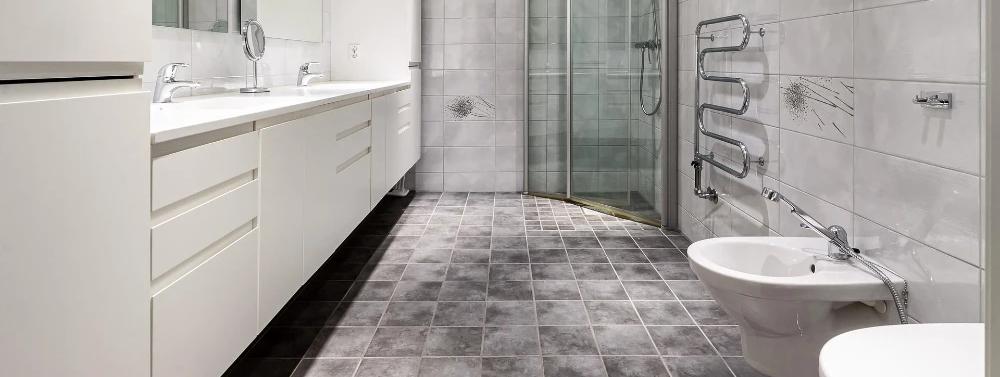
Creating a bathroom that's accessible ensures safety, comfort, and independence for everyone, especially individuals with mobility challenges. Let's explore what an accessible bathroom entails and how to design one effectively.
What Does an Accessible Bathroom Mean?
An accessible bathroom is designed to be usable by people of all abilities, including those with disabilities or limited mobility. It incorporates features that promote ease of use, safety, and independence, such as wider doorways, grab bars, and barrier-free showers.
Assess the Space for Accessible Bathroom Features
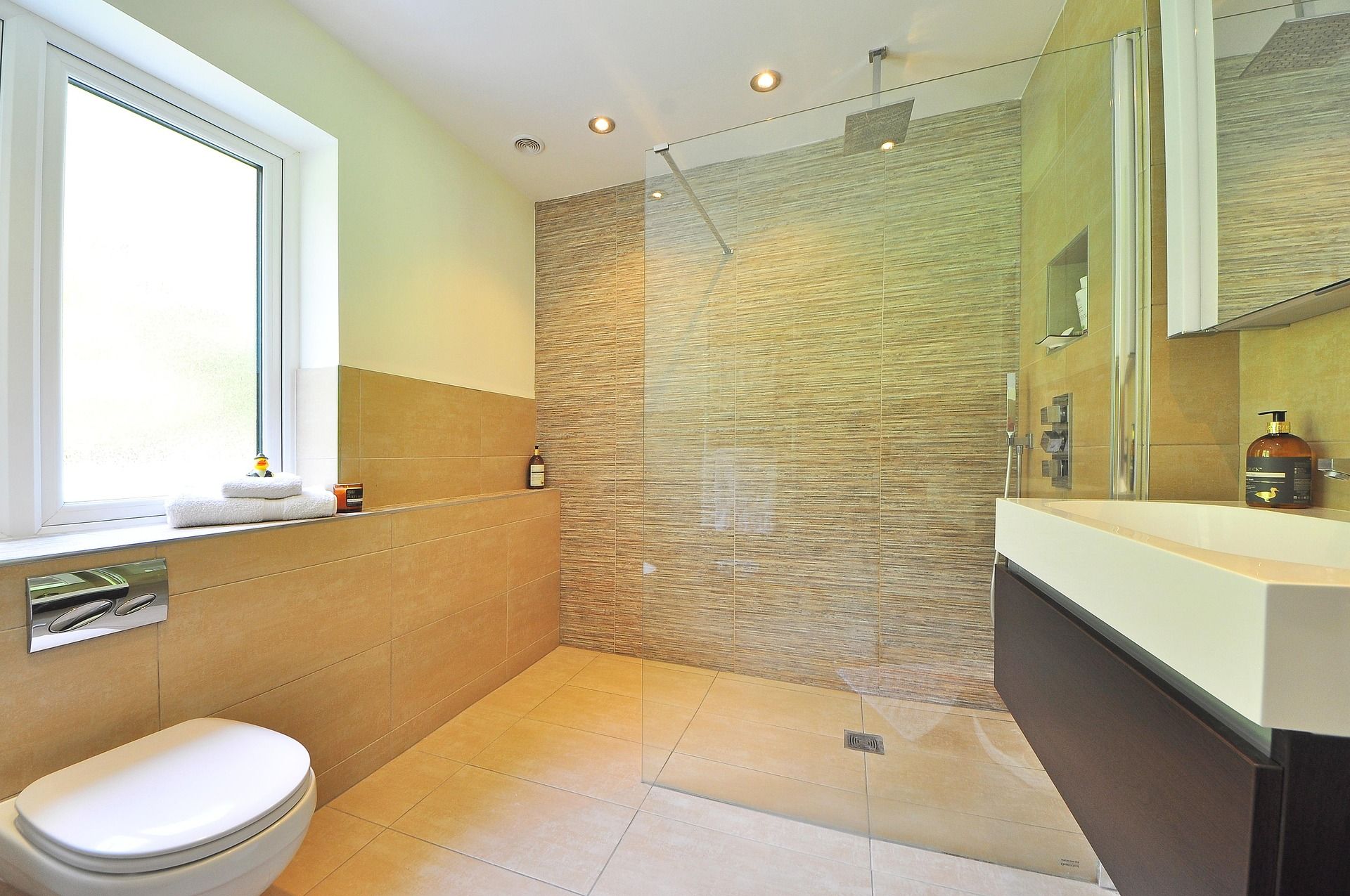
Before making modifications, evaluate your existing bathroom space to determine the necessary changes. Consider the following aspects:
- Zero Barriers: Ensure the entrance is free from steps or thresholds that could impede wheelchair access.
- Accessible Doors: Widen doorways to at least 32 inches to accommodate wheelchairs.
- Accessible Lighting: Install motion-sensor lights or accessible switches for ease of use.
- Accessible Toilets: Opt for toilets with a seat height of 17 to 19 inches, facilitating easier transfers.
- Ample Space: Provide sufficient floor space for wheelchair maneuverability, ideally a 60-inch turning radius.
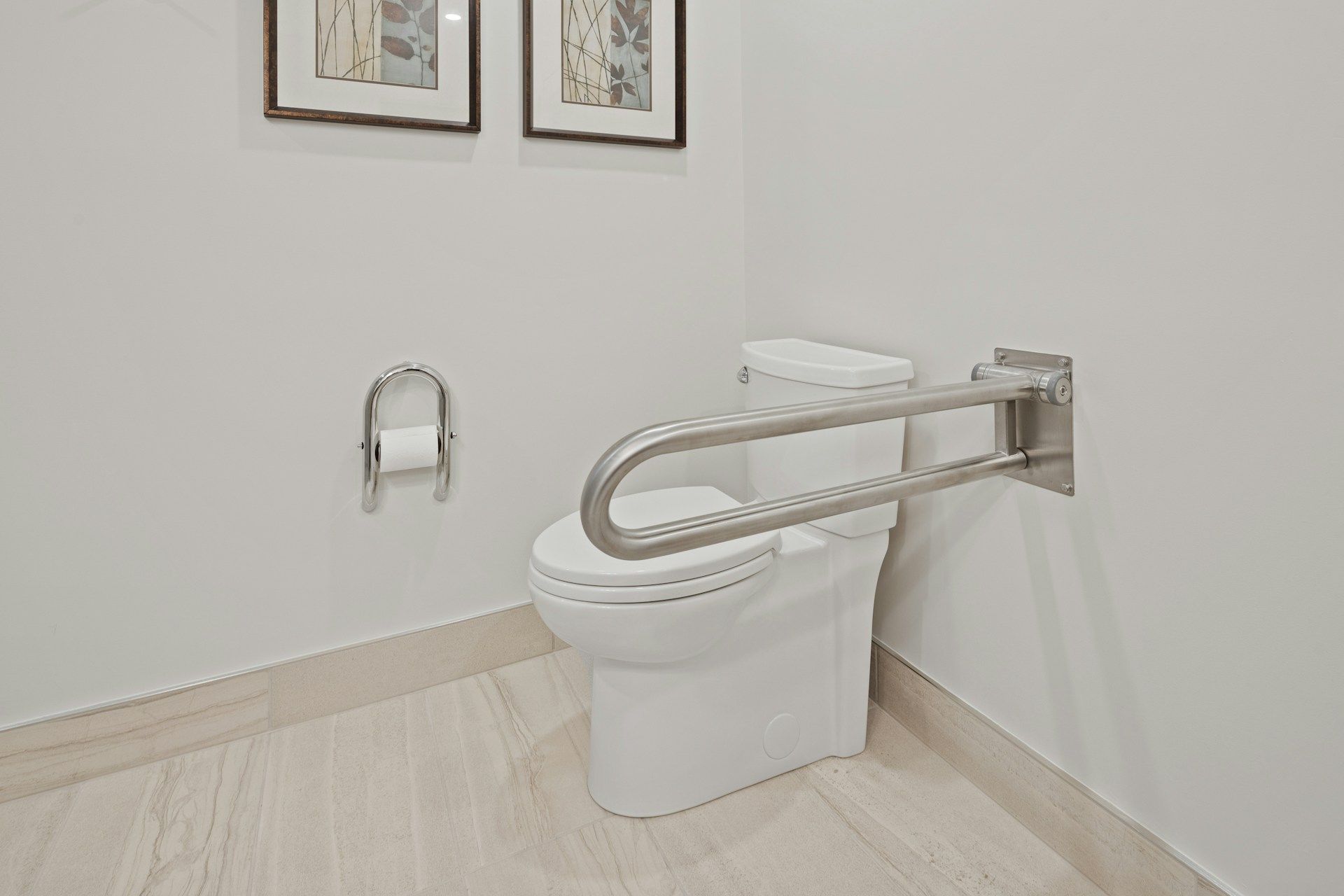
- Grab Bars and Support: Install grab bars near the toilet and shower areas to enhance safety.
- Wheelchair Accessibility: Ensure all fixtures are reachable from a seated position.
- Safe Flooring: Use non-slip flooring materials to prevent accidents.
- Roll-In Showers: Design curbless showers to allow easy wheelchair access.
- Raised Toilet Seat: Consider adding a raised seat to existing toilets for added convenience.
- Adjustable Fixtures: Install adjustable showerheads and mirrors to cater to users of varying heights and abilities.
The Significance of Accessible Bathrooms
Accessible bathrooms offer numerous benefits:
- Independence: They empower individuals to perform daily routines without assistance.
- Safety: Features like grab bars and non-slip flooring reduce the risk of injuries.
- Inclusivity: They ensure that everyone, regardless of ability, can use the facilities comfortably.
- Quality of Life: Enhancing bathroom accessibility can significantly improve overall well-being.
Creating an Accessible Bathroom
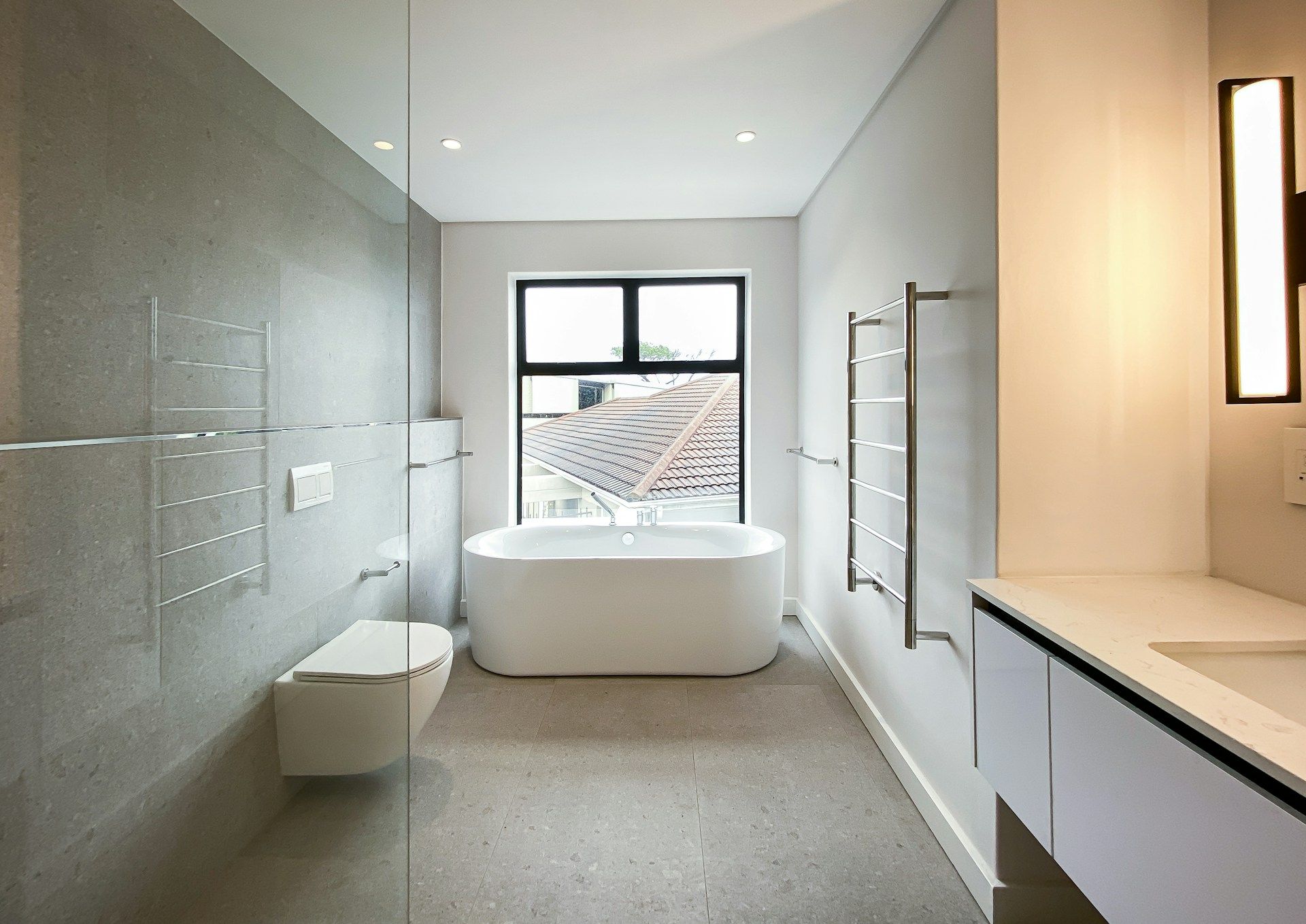
To design an accessible bathroom:
- Assessment: Evaluate the current space and identify barriers.
- Design: Plan the layout to incorporate accessible features.
- Fixture Selection: Choose fixtures that meet accessibility standards.
- Professional Installation: Hire qualified professionals to ensure proper installation.
- Regular Maintenance: Keep the bathroom in good condition to maintain safety and functionality.
Conclusion
Designing an accessible bathroom is a thoughtful process that enhances safety, independence, and inclusivity. By assessing your space and incorporating key features, you can create a bathroom that serves everyone's needs effectively.
FAQs
Q: What is the minimum door width for wheelchair access?
A: Doors should be at least 32 inches wide to accommodate wheelchairs.
Q: Are grab bars necessary in an accessible bathroom?
A: Yes, grab bars provide essential support and enhance safety in key areas like showers and near toilets.
Q: Can small bathrooms be made accessible?
A: Yes, with careful planning and space-saving fixtures, even small bathrooms can be adapted for accessibility.
Q: What type of flooring is best for an accessible bathroom?
A: Non-slip flooring materials are ideal as they reduce the risk of falls.
Q: Do accessible bathrooms increase home value?
A: Yes, accessible features can enhance a home's value by appealing to a broader range of buyers.
